What Happens When Your Parent's Needs Change
Needs rarely stay still. Here's how care levels work, how changes get noticed, what can be handled in place as care increases, and why hospice usually doesn't mean moving again.
By Parul Darji, RN
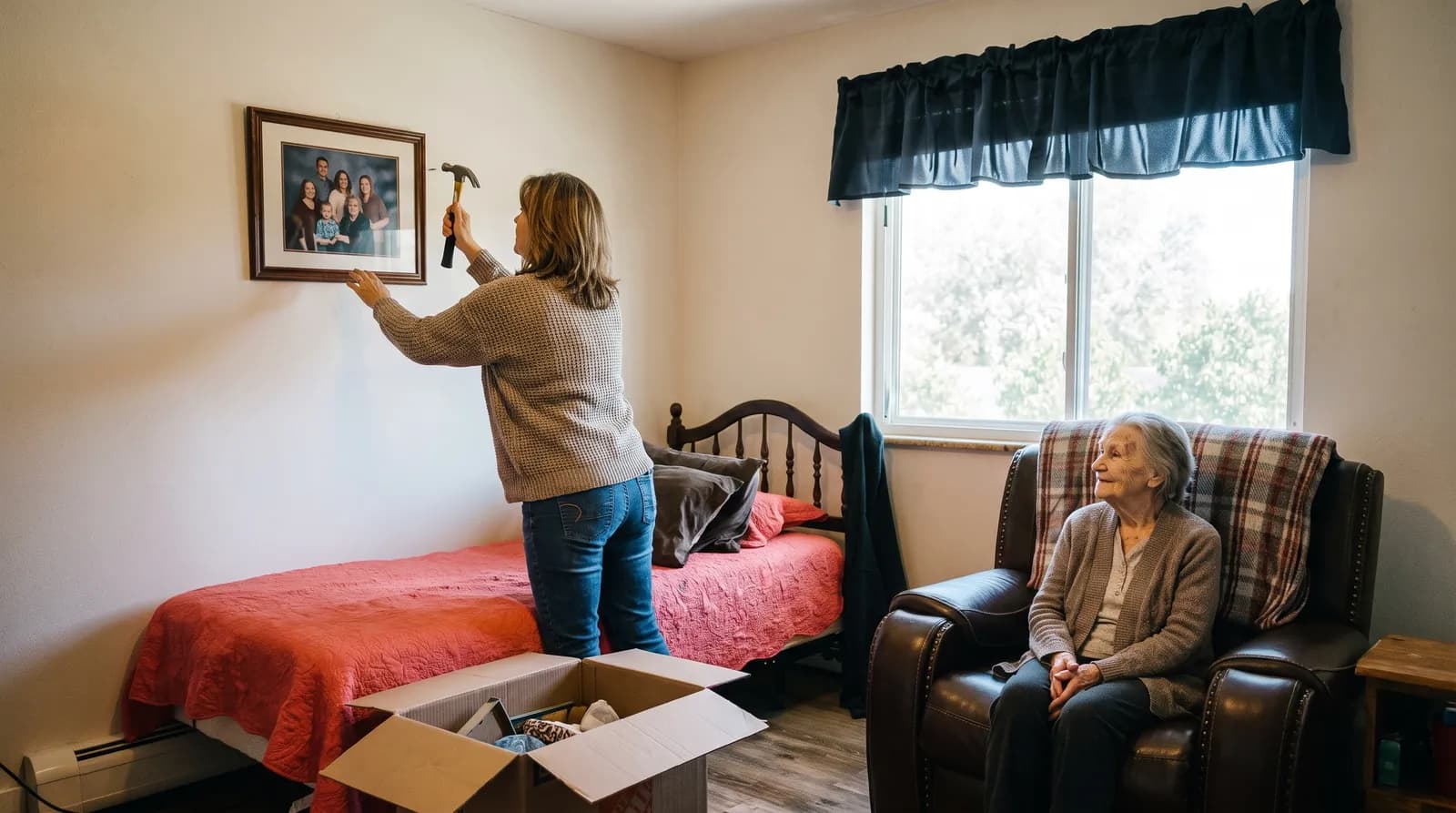
Most increases in care can be handled right where your mother already lives. More help with bathing, closer support with her medications, and more help getting around the house are changes to her daily routine, not reasons to move. A harder conversation only comes when a need goes beyond what assisted living can safely provide, and when that happens, the honest answer is a referral rather than an attempt to stretch.
I'm Parul Darji, a registered nurse and the owner of Aspen Leaf Assisted Living Residence. We have four small homes in Flagler, Stratton, and Limon, and I oversee the care plans in all of them. Here's how a change in needs works in our homes, from the first small shift to the hardest one.
What do "care levels" actually mean?
It's a simpler idea than it sounds. A care level describes how much hands-on help someone needs with the ordinary parts of a day, like getting up and moving around, bathing, dressing, using the bathroom, eating, and taking medications.
At the lighter end, someone might need a reminder and a steadying hand on the stairs. Further along, they might need help getting up, help bathing safely, medications handed to them instead of a reminder, and closer attention through the day. It's the same house, the same caregivers, and the same room. What changes is how much of the day involves support.
Assisted living covers a wide range of that. One of the most common worries families bring me is that a small increase in need means another move, and most of the time it doesn't.
How does a change in needs get noticed?
Most of the time, the caregivers who see your father every day notice first.
In a small home, the same caregivers are there each morning, and that continuity is what makes small changes visible. If he's unsteady on a Tuesday when he was fine last week, eating less, sleeping more, quieter than usual, or needing more help than he did a month ago, someone notices, because there's a baseline for him specifically and not just for residents in general.
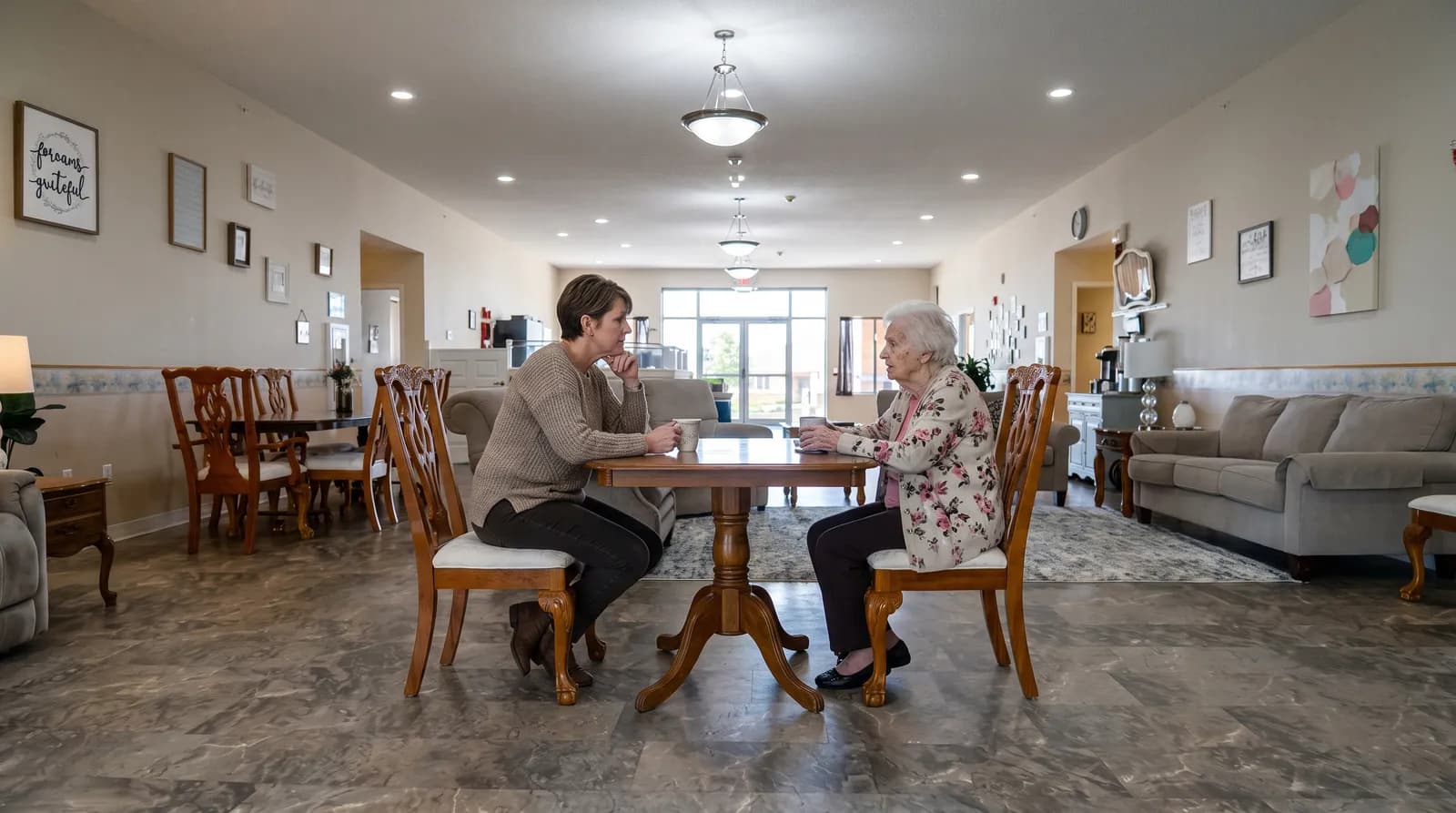
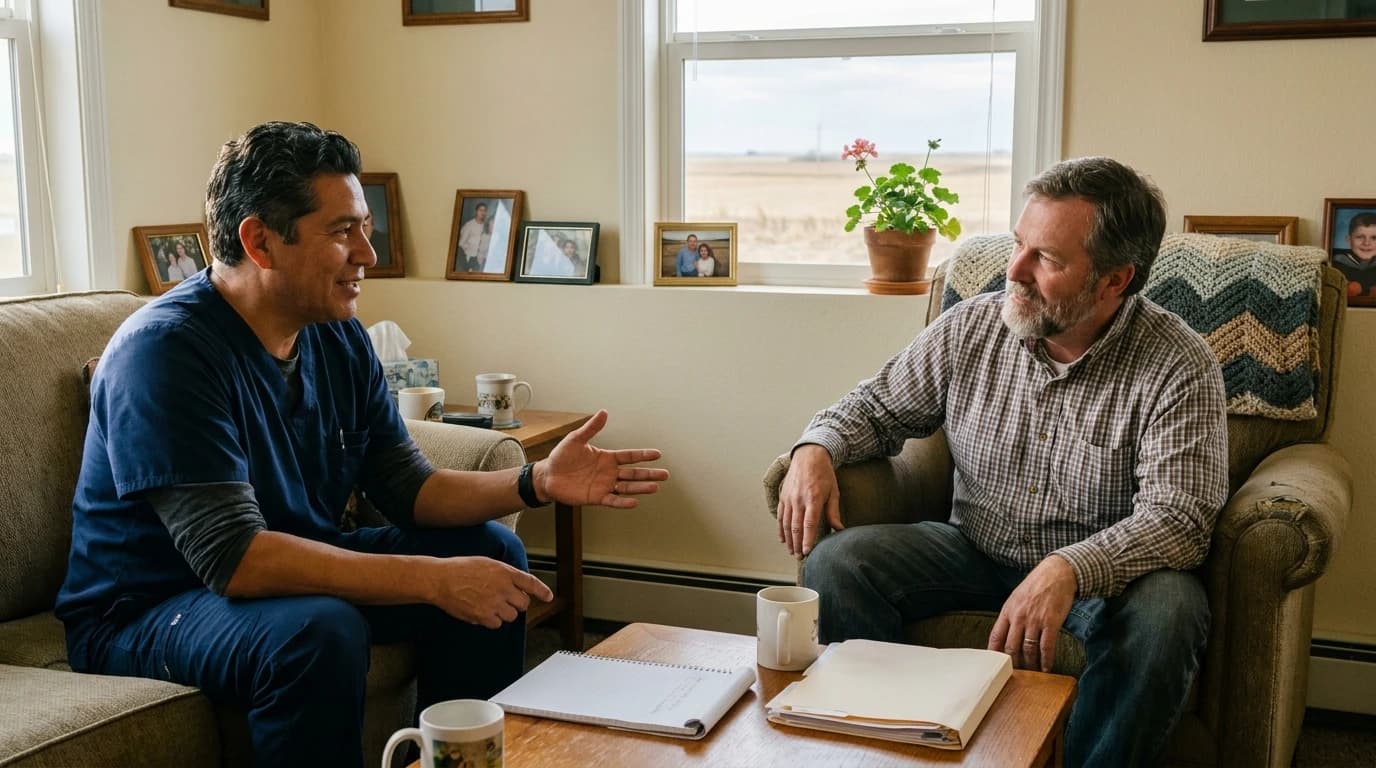
As the nurse overseeing his care plan, I review those changes. What follows is a conversation with your father, with you, and where it makes sense with his doctor, not a quiet adjustment behind the scenes. You should expect to hear about changes, and whatever home you choose, ask on the first day exactly how they'll reach you.
I'm a nurse, but I'm not your father's doctor. We notice changes and report them, and diagnosis and treatment belong to his physician.
What can be handled in place as care increases?
Most families are surprised by how much can be handled without a move. In our homes, that includes:
- More personal care. Help with bathing, dressing, and grooming as those get harder, at whatever level is needed.
- Closer medication support. Every dose given by QMAP-certified staff under my oversight, tracked, with changes shared with you.
- More help getting around. Support getting up, walking, and moving through the house safely.
- A closer watch overnight. Someone is awake in the house all night, not on call. Staff check on every resident at least every two hours, more often when someone needs it, and each resident has an emergency pendant within reach.
- Outside care that comes to the home. Home health agencies can come into the house, so more specialized care can reach your parent without them having to leave.
That last one matters more than it looks. When someone's needs grow, an outside agency can often support them right where they are, and that's frequently the difference between staying and moving.
When is assisted living no longer the right setting?
Assisted living has limits, and a home that tells you where they are is being straight with you.
Assisted living isn't skilled nursing. When someone needs ongoing medical care at the level a skilled nursing facility provides, that's the right setting, and saying so is the honest answer. The same goes for a memory-related need that has grown beyond what a particular home can safely support.
When a change raises questions about fit, I take a closer look, and where it's the right call, I'll refer your family to a setting that serves your parent better. That's true before someone moves in, and it stays true afterward. I've written about the alternatives when assisted living isn't the answer and about how to tell assisted living and a nursing home apart.
Does hospice mean moving again?
No. We do hospice, and it's the question families most want a straight answer to.
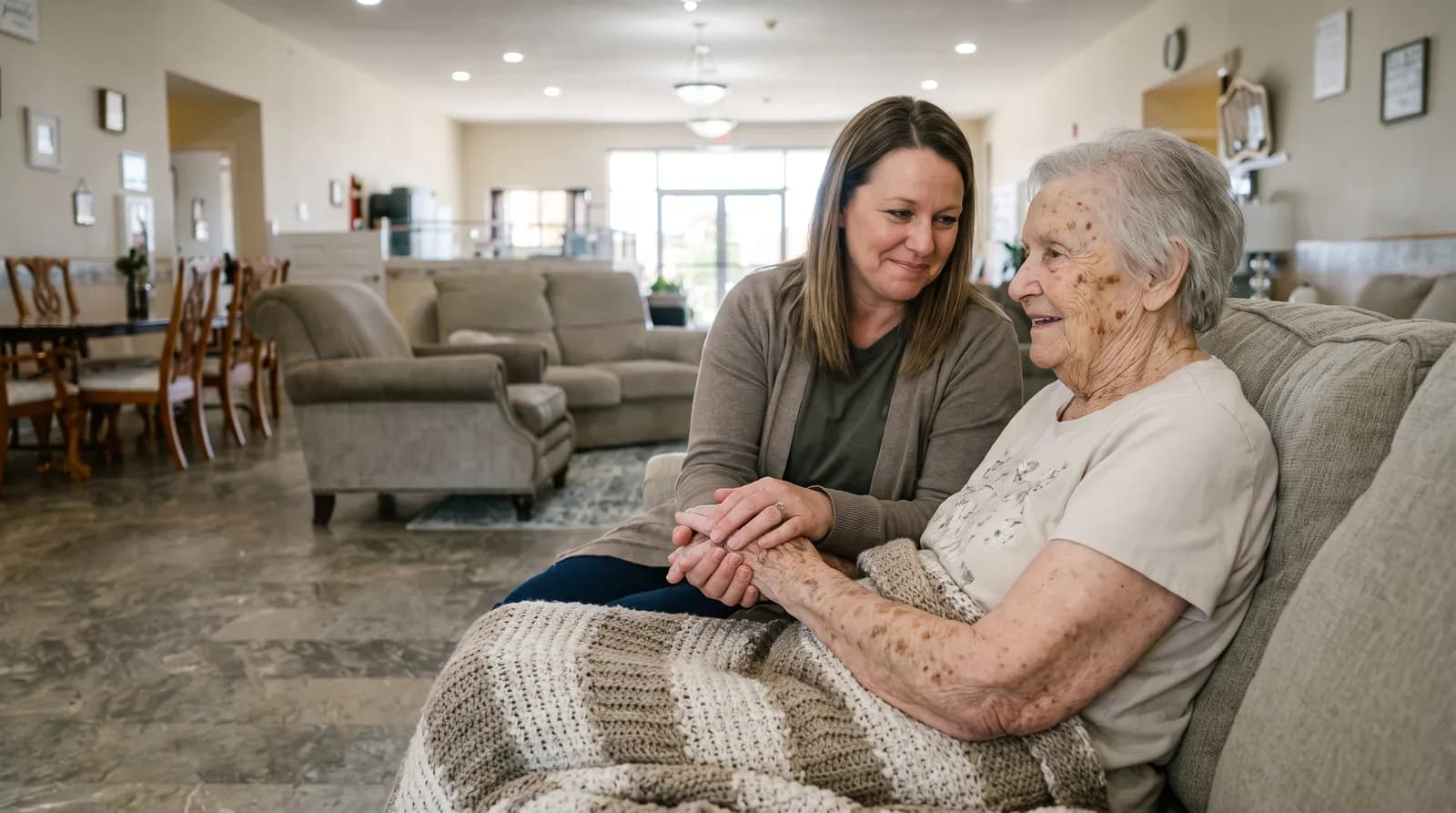
In practice, a hospice team comes in, and your mother stays in her own room with the caregivers who already know her. Her care shifts toward comfort, and the familiar parts of her day stay familiar.
For most families, that's what matters most. At the moment a move would be hardest, she doesn't have to move again, and you get to be family instead of case managers.
What hospice itself involves, including what changes and how to be present, is its own subject, and I've written about it in when a parent enters hospice.
What should you ask now, before anything changes?
Ask any home you're considering these questions at the tour, before you're making a decision under pressure.
- What increases in care can you handle in place?
- At what point would my parent need to move, and who decides?
- How will you tell me when something changes, and who do I call?
- Can outside providers like home health and hospice come into the home?
- Is someone awake overnight, and how often is each resident checked?
- Does the monthly cost change as care needs increase?
Getting those answers early is what keeps a change in health from turning into a crisis in logistics. For the cost question, I've written about what assisted living costs in Colorado and what "all-inclusive" should mean, and how tours and assessments work covers the rest of what to ask.
You can see our homes in Flagler, Stratton, and Limon, on 6th Street and Circle Lane, or schedule a visit.
Parul Darji, RN — Owner & Administrator, Aspen Leaf Assisted Living Residence. Serving families in Flagler, Stratton, and Limon, Colorado.
Frequently asked questions
- What happens if my parent needs more care later?
- Most increases in care are handled right where your parent already lives. More help with bathing or dressing, closer support with medications, more help getting around the house, and closer monitoring are all part of what assisted living does, so a change in need usually means a change in the daily routine rather than a move. A move only comes up when a need goes beyond what assisted living can safely meet, such as ongoing skilled nursing care, and then the honest answer is a referral to a setting that fits.
- How will I know if my parent's needs have changed?
- You should hear it from the home. In our homes, the caregivers who see your parent every day notice changes first, and as the registered nurse who oversees care plans, I review them and talk them through with you. Whatever home you choose, ask on the first day exactly how they'll reach you when something changes.
- Who decides when assisted living is no longer the right fit?
- It should be a conversation, not a surprise. Assisted living homes are licensed to provide a certain level of care. When a change raises questions about fit, I take a closer look, talk it through with you and, where it makes sense, with your parent's doctor. If the need has grown beyond what we can safely provide, I'll say so plainly and help you find a setting that fits.
- Does my parent have to move out to receive hospice care?
- No. We do hospice, so your mother stays in her own room with the caregivers who already know her, instead of moving again at the hardest possible time. A hospice team comes in to help care for her.