When Assisted Living Isn't the Answer: Where Else to Turn
Assisted living solves a care problem. It isn't a housing program, a financial rescue, or a substitute for medical treatment. A nurse-owner explains what it does and doesn't fix, and names the free help that exists when it isn't the right answer.
By Parul Darji, RN
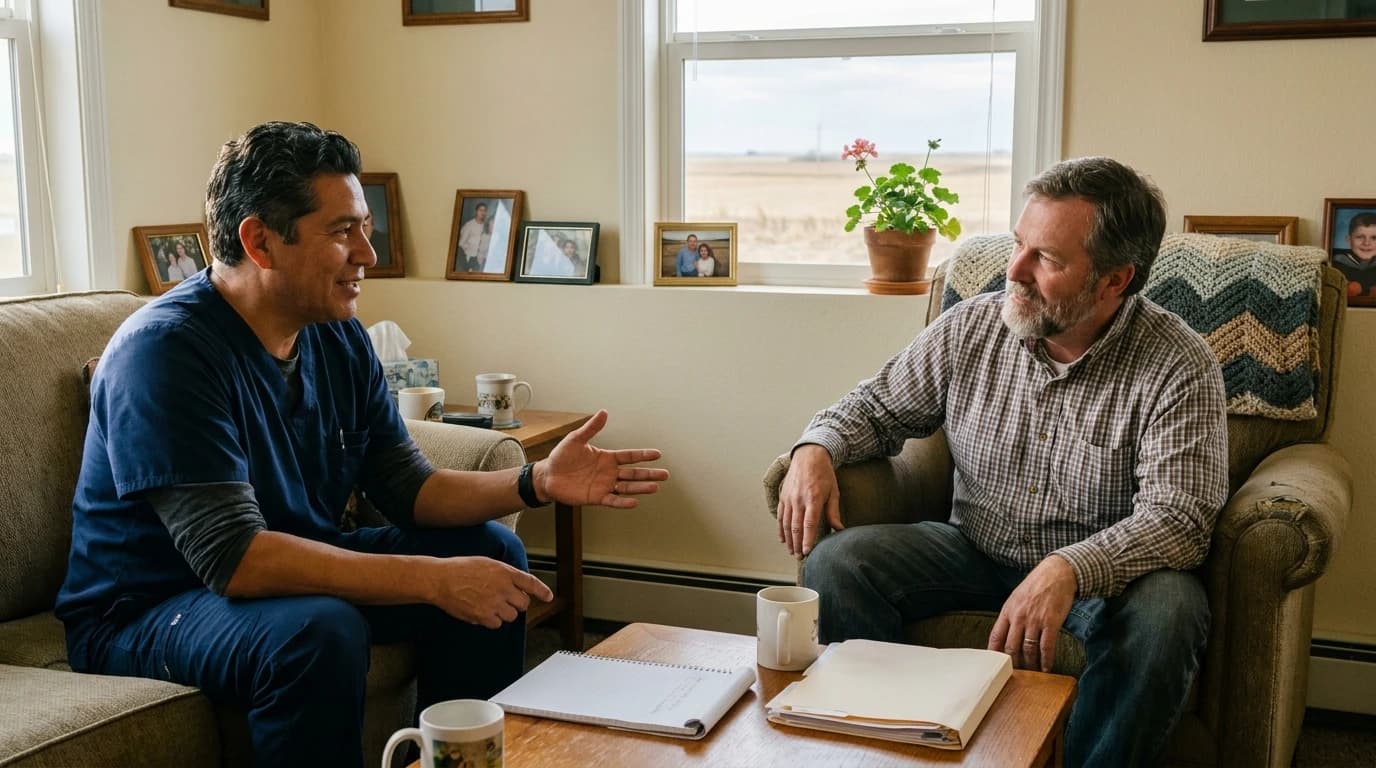
Assisted living solves one specific problem: an older person needs daily help with bathing, dressing, medications, and meals, and isn't safe managing alone. That's what it's built for, and when it fits, it changes lives. What it isn't is a housing program, a financial rescue, or a substitute for medical treatment.
Every month I talk with families who needed one of those other things instead, and almost none of them knew it when they picked up the phone. That isn't their fault. Assisted living is often the only kind of senior help anyone can name, so it's where everybody starts.
I'm Parul Darji, a registered nurse, and I own and run Aspen Leaf Assisted Living Residence, four small homes on Colorado's Eastern Plains in Flagler, Stratton, and Limon. Pointing a family toward the right place matters more to me than filling a room. So here's the honest map: what assisted living does, what it isn't built for, and where else you can go.
What problem does assisted living actually solve?
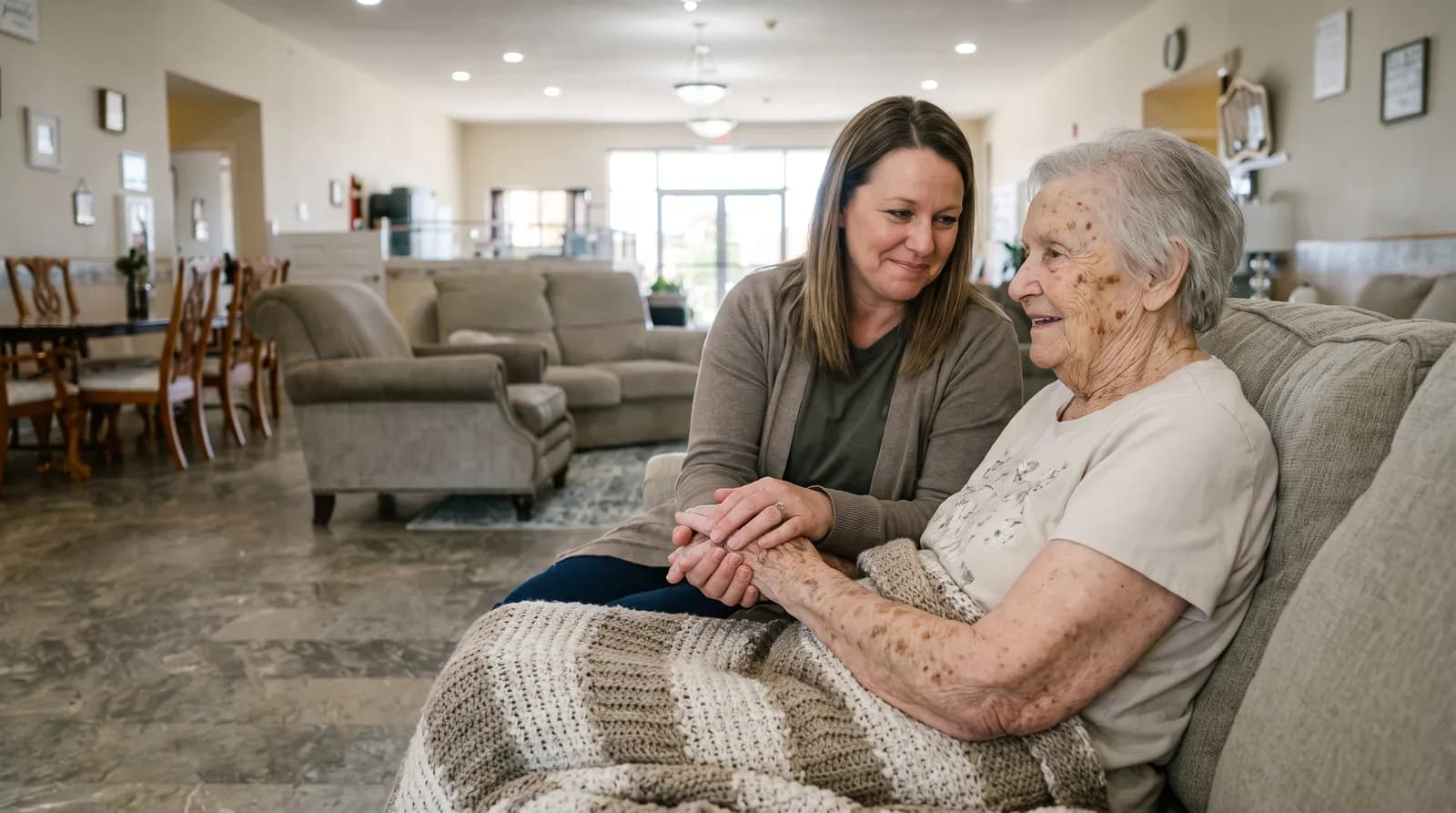
It solves the gap between living independently and needing a hospital. Someone who can still enjoy their days but can't reliably manage their medications, or who has started falling, or who has quietly stopped cooking real meals, or who shouldn't be alone overnight. In a small home like ours, that person gets three meals a day, help with personal care, medication management from QMAP-certified staff under my oversight as an RN, and someone awake and nearby at all hours.
If that sounds like your parent, assisted living is likely the right answer, and my plain-language guide to what assisted living is walks through the details.
If it doesn't quite fit, stay with me. There are other answers, and for some families they're better ones.
What isn't assisted living designed to do?
There are three things I'd rather tell you now than have you find out later.
It isn't emergency housing. There's an admission process, a health assessment, and a monthly cost, and even in the best case it all takes time. If someone needs a safe place to sleep tonight, this isn't the door that opens fastest. I know that's hard to hear when the need is urgent, and further down I've listed who can actually move quickly.
It isn't around-the-clock medical care. If someone needs IV therapy, complex wound care, or round-the-clock medical monitoring, that's skilled nursing rather than assisted living. I've written a full comparison of assisted living versus a nursing home if you're weighing that specific question.
It isn't clinical mental health or addiction treatment. We're glad to care for residents living with these conditions, and we do. But the treatment itself needs clinicians who specialize in it. A good care home works alongside that treatment rather than standing in for it.
What if the real problem is housing, not care?
Sometimes what a person needs most is a safe place to live, not a caregiver. That's a real and urgent problem and it deserves a real answer. But assisted living isn't the tool that solves it, because every part of the process, from the health assessment to the monthly rate, is built around delivering care.
If that's where you are, two free starting points will move faster than we can. Your regional Area Agency on Aging serves every part of Colorado and gives free guidance on senior housing and benefits. The 211 helpline connects you to local health and human services. And if there's been a recent hospital stay, the hospital's discharge planner or social worker can often make calls that a family simply can't.
None of them charge you anything, and they'll know about options I don't. Start there. We'll still be here if it turns out that care is what's needed after all.
What if your parent needs help, but not this much help?
This is the most common mismatch I see, and it usually runs the opposite direction from what families expect. Someone calls ready to move their mother into a care home, and ten minutes into the conversation it's clear she'd do beautifully at home with a few hours of help a week.
Things worth looking into first:
- In-home caregivers for a few hours a day or week
- Adult day programs, which give a caregiver a workday back
- Home-delivered meals, often the single highest-impact change
- Senior center programs and transportation, which solve isolation and errands at once
- Home modifications like grab bars, better lighting, and a ramp
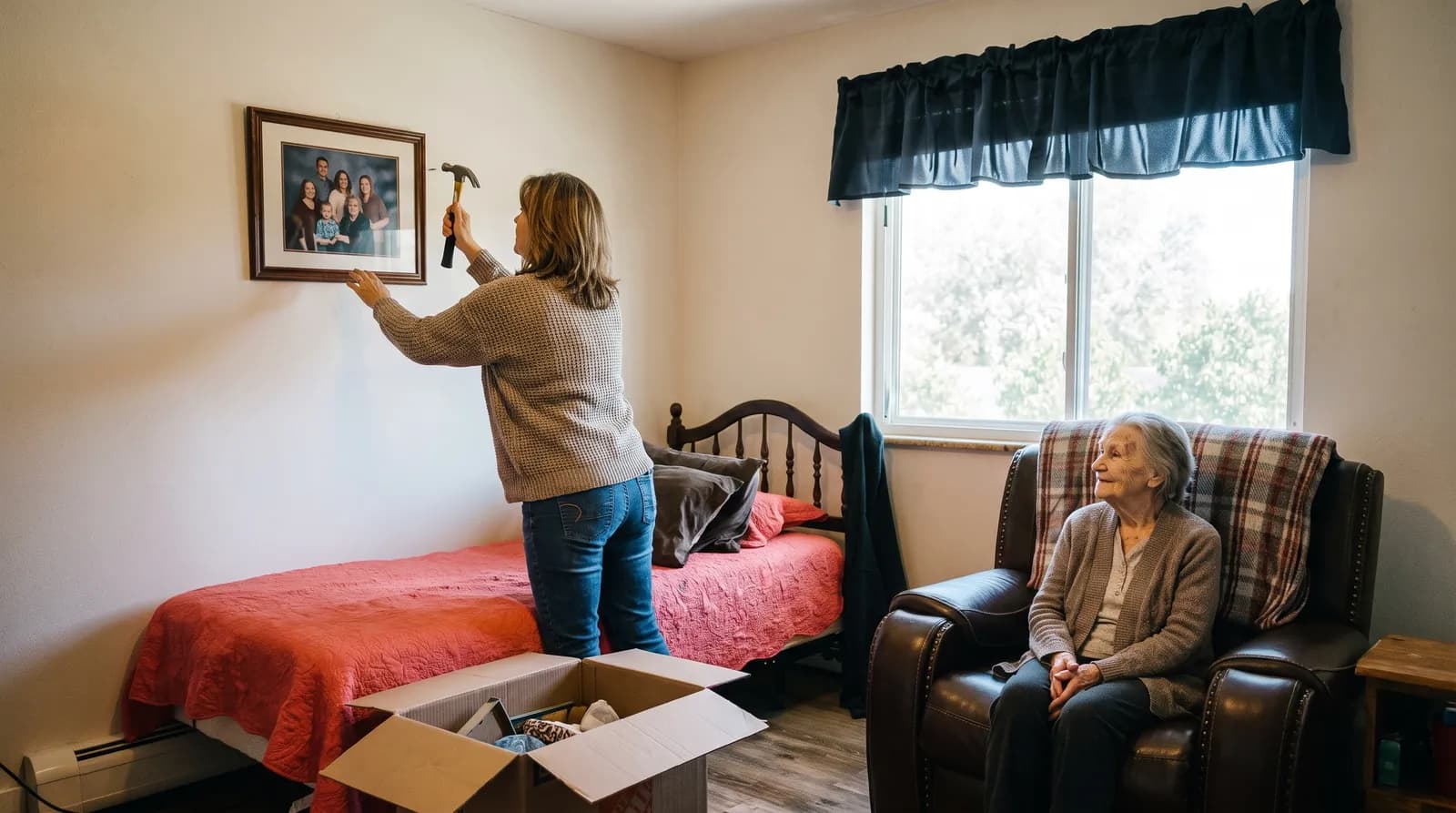
If a smaller change is genuinely enough for now, that's worth knowing before you make a bigger one. And if it turns out that a move is the right call, it's a gentler thing than most families picture. We handle the parts that feel like a lot, and I've watched people come alive in their first weeks with us.
What if you can't afford it right now?
Please don't rule yourself out before someone actually checks. Families do this all the time, quietly deciding they won't qualify for anything and never asking.
Medicare does not pay for assisted living room and board, which surprises nearly everyone. But Long-Term Care insurance, VA benefits, and Colorado's Medicaid HCBS waiver all exist, and all four of our homes accept them. The rules are more nuanced than most people assume. I've also written honestly about what assisted living actually costs in Colorado, including why our Eastern Plains homes run well below Denver and Colorado Springs rates.
Let someone who knows these programs give you the real answer. You may be further from a dead end than you think.
What happens if you call us and it isn't a fit?
I tell you.
When a family's answers raise questions about whether assisted living is really what their loved one needs, I take a closer look before anything else happens. Sometimes that means recommending skilled nursing. Sometimes it means suggesting a few hours of in-home help instead of a move. Sometimes it means pointing someone toward services that have nothing to do with me at all.
I'd much rather send a family somewhere better than welcome someone in when it was never the right fit for them. Getting that wrong costs a family money they often don't have, and it costs an older person time they'd rather have spent settled somewhere that suited them.
Our four homes are in Flagler, Stratton, and Limon, where we have our 6th Street and Circle Lane homes, all just off the I-70 and Highway 24 corridors and an easy drive from the Front Range.
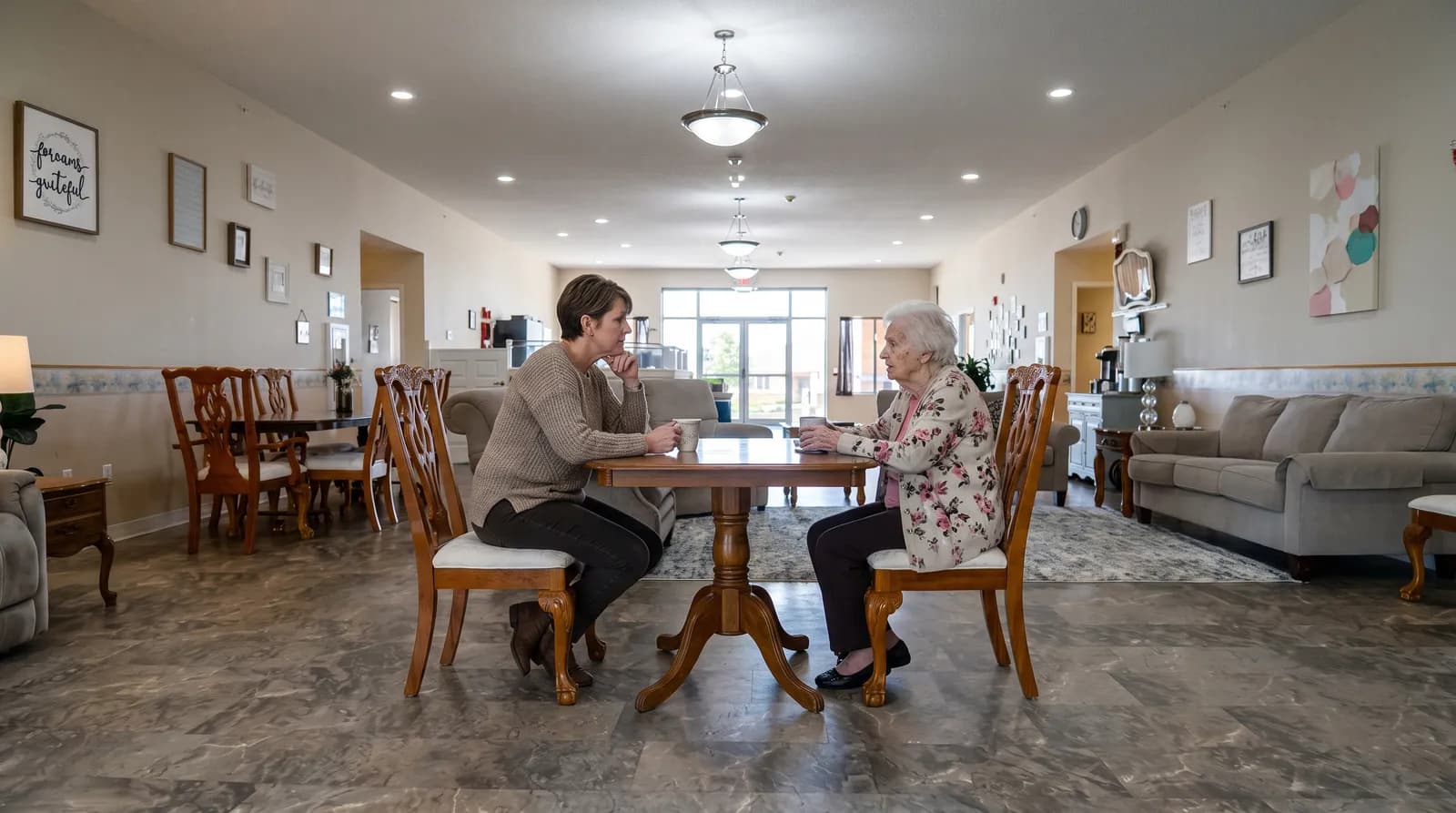
If you're in the middle of this and you honestly don't know what you're looking at, schedule a tour or just call me. Tell me what's actually going on. I'll give you a straight answer about what your family needs, even when the answer isn't us.
Parul Darji, RN — Owner & Administrator, Aspen Leaf Assisted Living Residence. Serving families in Flagler, Stratton, and Limon, Colorado.
Frequently asked questions
- What are the alternatives to assisted living?
- It depends on what's actually going wrong. If someone needs a few hours of help a week, in-home caregivers, adult day programs, meal delivery, and senior center services often let them stay home longer. If they need skilled medical care around the clock, that's a nursing home. If the real need is housing or money rather than care, senior housing programs and benefits counseling are the better door to knock on.
- Can an assisted living home turn someone away?
- Yes. Assisted living homes are licensed to provide a certain level of care, and we can't safely admit someone whose needs go beyond it. That isn't a judgment about the person. It means the setting can't give them what they need, and saying so honestly is kinder than welcoming someone in and discovering a month later that we can't keep them safe.
- What if my parent needs a place to live more than they need care?
- Then assisted living isn't the right tool, and I'd rather tell you that early than let a family spend weeks finding out. Assisted living has an admission process, medical requirements, and a monthly cost, all built around delivering care. Housing insecurity is a real and urgent problem, but it needs housing help. Your regional Area Agency on Aging and the 211 helpline are the fastest free starting points.
- Where can I get free, unbiased help figuring out what kind of senior care we need?
- Every region in Colorado is served by an Area Agency on Aging, which offers free guidance on senior services and benefits. Dialing 211 connects you to local health and human services. If there's been a recent hospital stay, the hospital's discharge planner or social worker is a good resource. None of these charge families anything.
- Should I rule out assisted living if I don't think we can afford it?
- Not before someone actually checks. Families often assume they won't qualify for help and never ask. Long-Term Care insurance, VA benefits, and Colorado's Medicaid HCBS waiver all exist, and the rules are more nuanced than most people expect. Get a real answer before you decide.