Can Medicaid Help Pay for Assisted Living in Colorado? Understanding the HCBS Waiver
How Medicaid and Colorado's HCBS waiver can help pay for assisted living, what's covered, what isn't, and where to start. Plain-English guidance from Parul Darji, RN.
By Parul Darji, RN
Yes — in Colorado, Medicaid can help pay for assisted living for people who qualify, through what's called the HCBS waiver. But there's nuance to it, and the details trip families up constantly. Let me walk you through it the way I'd explain it sitting at our kitchen table.
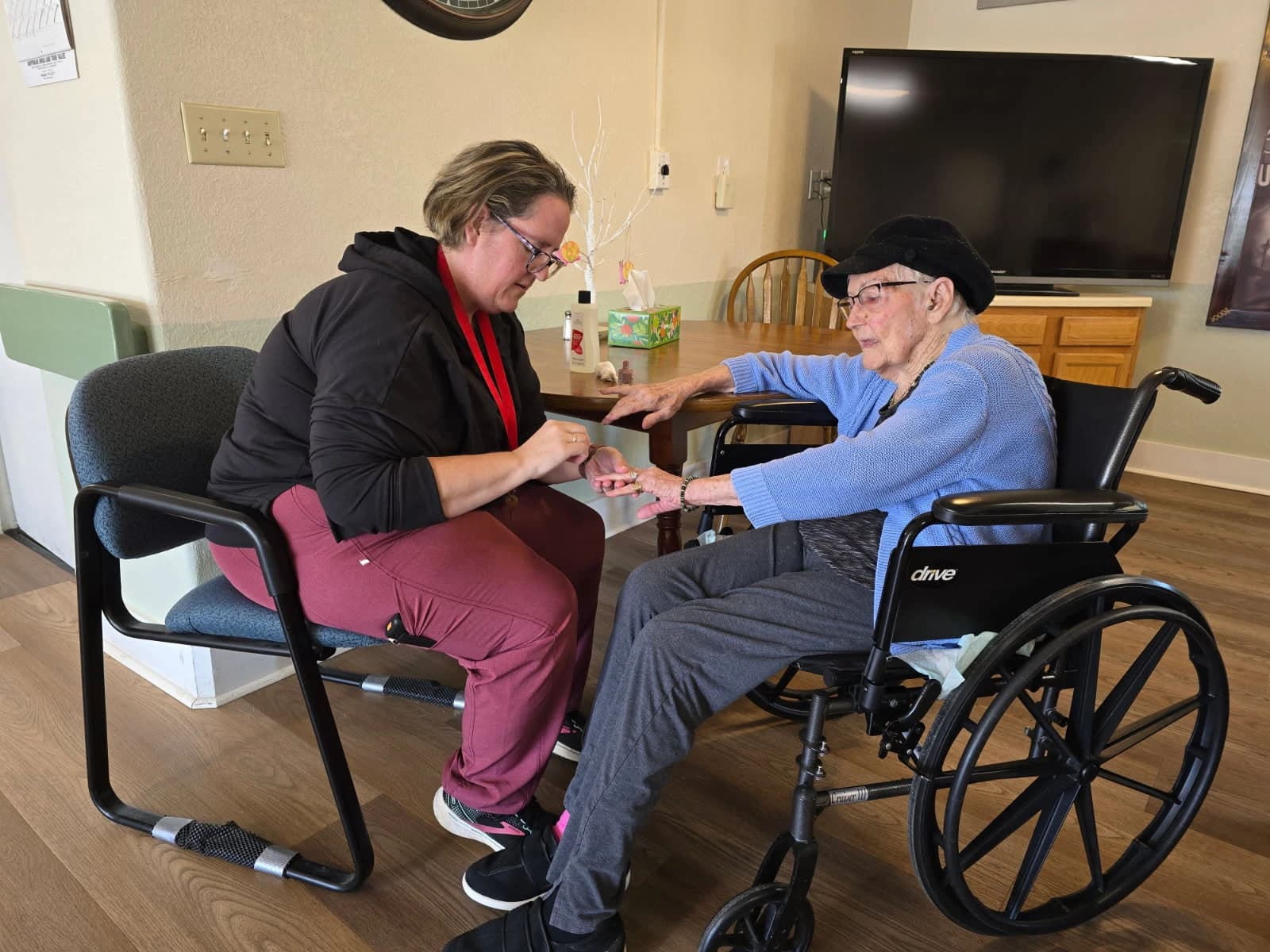
I'm Parul Darji, a registered nurse and the owner of Aspen Leaf Assisted Living Residence, with four homes in Flagler, Stratton, and Limon (our 6th Street and Circle Lane homes). Over 20-plus years in healthcare I've helped a lot of families navigate this, and I'll tell you up front: the system is more navigable than it looks once someone explains the pieces.
This post is about the waiver itself — what it is and how it is structured. If what you need is the practical sequence for a family, including how to start with your county, how long it usually takes, and what to ask a home before you tour, that is in how Medicaid actually works for assisted living in Colorado.
What is the HCBS waiver, in plain English?
In Colorado, Medicaid is called Health First Colorado. "HCBS" stands for Home and Community Based Services — it's the umbrella under which Medicaid pays for care and services for people who need them but can't afford them on their own. When you hear HCBS talked about for seniors, it usually means the Elderly, Blind and Disabled waiver, often just called the EBD waiver.
Here's the idea behind it, and I think it's a good one: the waiver exists to serve people who might otherwise need nursing-home care, but who can actually be cared for more effectively — and more affordably — in a community setting like ours. In other words, it's designed to let someone live in a real home with support, instead of defaulting to a higher level of care they don't truly need.
What does the waiver cover — and what doesn't it cover?
This is the part to understand clearly. The HCBS waiver helps cover the care services a resident receives. It does not simply pay for everything, and in particular, Medicaid does not cover room and board the way it covers care.
So in practice, families often piece things together: the waiver helps with care services, and room and board is covered by the resident's own income or other sources. If you're receiving help from an outside source toward room and board — the waiver, VA Aid and Attendance, or a Long-Term Care insurance policy — that source generally helps determine what your monthly payment to the community actually is. That's why two families at the same community can have very different monthly costs, and why asking for one all-in number matters more than comparing advertised rates.
One more important point: Medicare and Medicaid are not the same thing, and Medicare does not pay for assisted living. People mix these up all the time, and it leads to a lot of confusion early in the search. Medicaid (Health First Colorado) is the program that may help; Medicare generally won't.
Who qualifies?
Eligibility for the waiver is based on both financial need and level-of-care need, and the specifics are set at the state level and can change. Rather than quote you figures that might be out of date by the time you read this, I'll tell you the honest truth: qualification is worth checking even if you assume you won't qualify, because families are surprised in both directions.
In Colorado, there are regional agencies — historically organized by county — that handle this process, so where you live affects who you work with. One thing the waiver does require is that a person not need around-the-clock skilled supervision unless an assisted living community or family is providing it — which, in a community like ours, we are. That's part of how the waiver and assisted living fit together.
Where should a family start?
If you think the HCBS waiver might be part of your plan, here's what I'd do, in order:
- Don't rule yourself out on assumptions. Check eligibility properly. The rules are specific, and guessing costs people money.
- Get clear on the two buckets — care services (where the waiver helps) and room and board (usually covered by income or other sources). Knowing which is which makes every later conversation easier.
- Loop in the other options too. Veterans may qualify for Aid and Attendance, which a surviving spouse can be eligible for in her own right. A Long-Term Care policy may help, though what a policy actually pays takes a phone call to the insurer to establish. These can stack with or substitute for the waiver depending on the situation.
- Ask the community to help. A good community has walked families through this many times. We have.
Let us help you figure it out
I know how overwhelming this looks from the outside — the acronyms alone are enough to make anyone want to put the whole thing off. Please don't put it off. The families who start asking questions early always have more options than the ones who wait.
If you'd like help understanding whether the HCBS waiver, VA benefits, or Long-Term Care insurance might work for your family, call the Aspen Leaf home nearest you or schedule a tour. We'll sit down with you and sort out which doors are worth opening — no pressure, no sales pitch.
Parul Darji, RN — Owner & Administrator, Aspen Leaf Assisted Living Residence. Serving families in Flagler, Stratton, and Limon, Colorado.
Frequently asked questions
- Does Medicaid pay for assisted living in Colorado?
- Yes, for people who qualify, through Colorado's HCBS waiver (Health First Colorado). The waiver helps cover care services, but it does not pay for room and board the way it covers care.
- What is the HCBS waiver?
- Home and Community Based Services — the Medicaid umbrella that pays for care for people who need it but can't afford it. For seniors it usually means the Elderly, Blind and Disabled (EBD) waiver, designed to let someone live in a community setting instead of a nursing home.
- Does Medicare pay for assisted living?
- No. Medicare and Medicaid are not the same thing, and Medicare does not pay for assisted living. Medicaid (Health First Colorado) is the program that may help.
- What does the HCBS waiver cover and not cover?
- The waiver helps cover the care services a resident receives. It does not cover room and board, which is typically paid from the resident's own income or other sources like VA Aid and Attendance or Long-Term Care insurance.
- Where should a family start with the HCBS waiver?
- Check eligibility properly rather than assuming you won't qualify, get clear on the two buckets (care services vs. room and board), look into VA and Long-Term Care options too, and ask the community to help walk you through it.