VA Aid and Attendance: The Benefit Many Veteran Families Miss
Aid and Attendance can help a veteran or a surviving spouse pay for assisted living, and the VA pays it through more routes than most families hear about. Here's what it is, who may qualify, and where to get free help filing.
By Parul Darji, RN
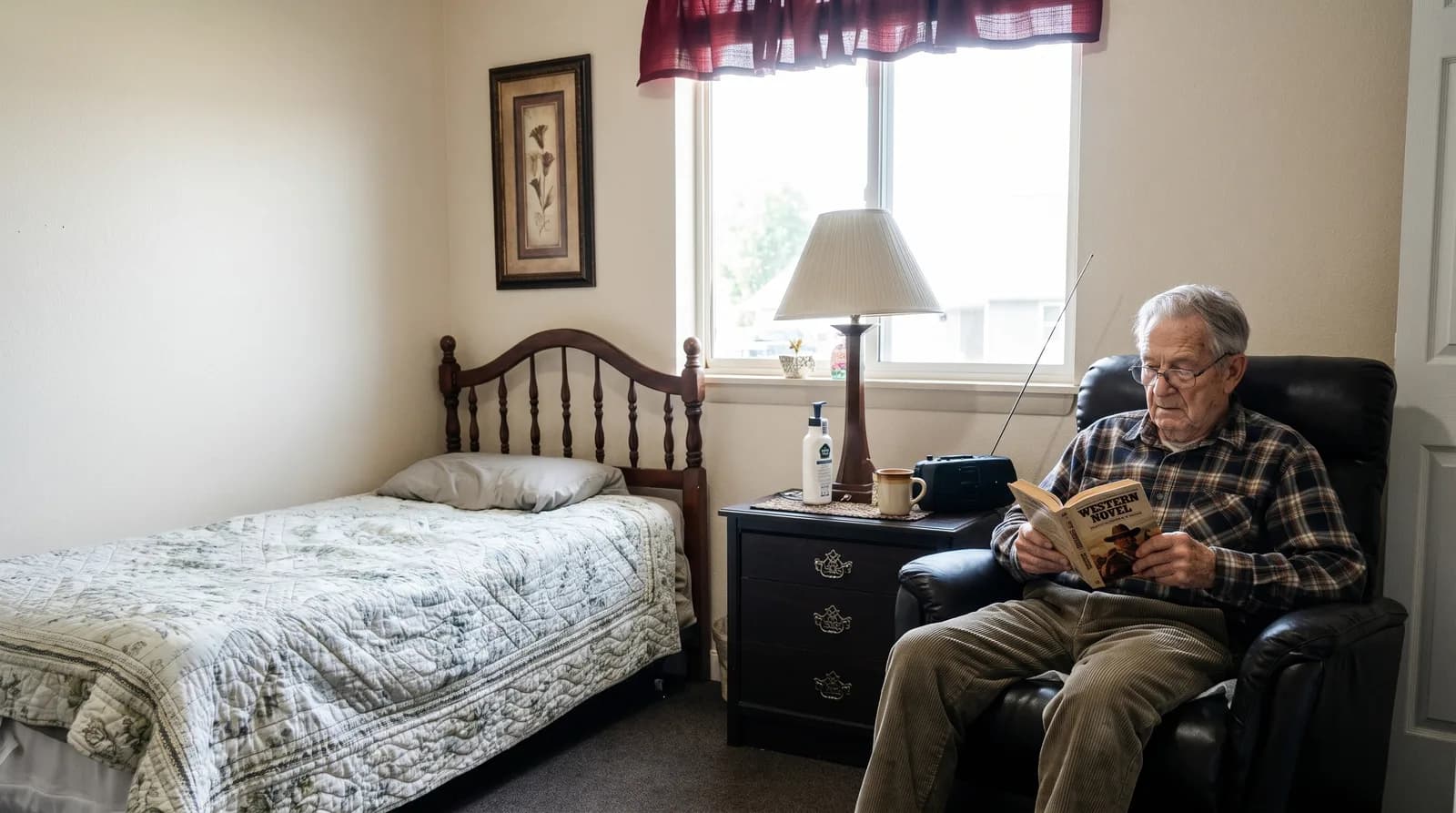
Aid and Attendance is money the VA pays to help a veteran, or a veteran's surviving spouse, when they need another person's help to get through the day. It can go toward the cost of assisted living. A lot of families who might qualify never ask for it, usually because nobody told them it existed, or because they only heard about one of the ways the VA pays it.
I'm Parul Darji. I'm a registered nurse, and I own Aspen Leaf Assisted Living Residence, four small homes in Flagler, Stratton, and Limon on Colorado's Eastern Plains. I'm not a VA benefits counselor, so everything below comes from what the VA itself publishes. I'll cover what Aid and Attendance is, the three ways the VA pays it, who may qualify, how to apply, and where to get free help.
I don't quote dollar amounts here. The VA adjusts its rates every year, and what a family would receive depends on details only the VA can weigh. And nothing on this page decides whether anyone qualifies. Only the VA makes that call.
What is VA Aid and Attendance?
It's an extra monthly amount for someone who needs regular help with everyday living. The VA's examples include needing another person's help to bathe, eat, or get dressed, and having to spend much of the day in bed because of illness. In my experience, those are the same everyday needs that bring most families to assisted living in the first place.
The money is paid to the veteran or surviving spouse, not to a care home, so it can go toward any part of the monthly cost. That includes room and board, which is the part Medicaid's waiver doesn't cover the same way. For some families, it's what closes the gap between a parent's income and what a home actually costs.
Do you have to qualify for a VA pension to get it?
No, and this is where a lot of families get turned around. The VA's main Aid and Attendance page describes it as an addition to the VA pension, and that's the route most people have heard of. But the VA pays it through three different benefits:
- The VA pension. This is for wartime veterans who meet age or disability requirements, and for their surviving spouses. It's the only one of the three with income and net worth limits.
- Disability compensation. A veteran whose service-connected disabilities leave them needing daily help can receive a higher rate of compensation. A veteran with a disability rating of 30% or more also gets an added amount when their spouse needs Aid and Attendance.
- Dependency and Indemnity Compensation (DIC). A surviving spouse who receives DIC can get an Aid and Attendance addition on top of it.
So if someone told your family "you make too much for Aid and Attendance," they were probably talking about the pension alone. If there's a disability rating or DIC anywhere in the picture, it's worth asking again.
Can a surviving spouse get Aid and Attendance?
Often, yes, and it's easy to miss. A widow or widower may assume that anything connected to their spouse's service ended when their spouse died. Sometimes they're the person the benefit would help most.
A surviving spouse has two possible routes. The Survivors Pension is for surviving spouses of wartime veterans, and like the veterans' pension it has income and net worth limits. DIC is a separate survivor benefit, most often paid when a veteran's death was connected to their service, and a surviving spouse who receives it can get an Aid and Attendance addition. If someone qualifies for both, the VA pays whichever is higher, so it's worth having someone look at both.
How do you apply, and how long does it take?
The application includes an exam section that a doctor or other medical examiner has to fill out, so book that appointment early. The VA will also want records, and some of them are decades old. Expect to need discharge papers such as the DD-214, a marriage certificate, a death certificate if you're applying as a surviving spouse, medical evidence of the need for help, and financial information if the pension is involved.
Any one of those can add weeks if it has to be requested rather than pulled from a drawer. The VA doesn't promise a timeline and works through claims in the order they arrive, so plan on months, not days.
That's the practical reason to start before the money is needed. A family that begins while a parent is still managing at home has time to track down a missing certificate. A family that starts the week of a hospital discharge is solving a paperwork problem and a care problem at the same time.
If a parent is a veteran and assisted living is anywhere on the horizon, even a year out, it's worth starting now.
Who can help you apply for free?
Start with your County Veterans Service Officer. Every county in Colorado has a veterans service office, and helping veterans and their families with VA claims is exactly what they do, at no charge. They know which records the VA will ask for, and they can file the claim with you. Flagler and Stratton are in Kit Carson County, whose office is in Burlington, and Limon is in Lincoln County. The Colorado Division of Veterans Affairs lists every county's office and how to reach it.
Be careful with paid "pension planners." Some businesses market Aid and Attendance to older families for a fee, sometimes along with advice to move savings around. A VA-accredited attorney or claims agent can't charge you until the VA has decided the initial claim, and someone who isn't accredited shouldn't be preparing a VA claim at all. Moving assets around to qualify can also backfire later, including if Medicaid becomes part of the plan. If someone wants money up front, or opens with what they can do with your parent's savings, stop and call the county office instead.
Where to go next
All four of our homes accept VA benefits, along with Medicaid, Long-Term Care insurance, and private pay. That's our homes in Flagler and Stratton and our two Limon homes on 6th Street and Circle Lane.
If you're still deciding whether assisted living is the right step, start with the signs it may be time and what moving in actually looks like.
When you're ready to see the homes, schedule a visit or give us a call. Coming to look doesn't commit anyone to anything.
Parul Darji, RN — Owner & Administrator, Aspen Leaf Assisted Living Residence. Serving families in Flagler, Stratton, and Limon, Colorado.
Frequently asked questions
- What is VA Aid and Attendance?
- It's an extra monthly amount the VA pays when a veteran or a surviving spouse needs another person's help with everyday things like bathing, dressing, or eating. Most families know it as an addition to the VA pension, but the VA also pays it through disability compensation and through Dependency and Indemnity Compensation (DIC). Only the VA decides who qualifies.
- Do you have to qualify for a VA pension to get Aid and Attendance?
- No. The pension is one route, and it's the only one with income and net worth limits. A veteran whose service-connected disabilities leave them needing daily help can receive a higher rate of disability compensation. A veteran with a disability rating of 30% or more gets an added amount when their spouse needs Aid and Attendance. And a surviving spouse who receives DIC can get an Aid and Attendance addition on that benefit.
- Can a surviving spouse get Aid and Attendance?
- Often, yes. A surviving spouse of a wartime veteran may qualify through the Survivors Pension, which has income and net worth limits. A surviving spouse who receives DIC can get an Aid and Attendance addition on that benefit. If someone qualifies for both, the VA pays whichever is higher.
- Who can help us apply for Aid and Attendance for free?
- Your County Veterans Service Officer. Every county in Colorado has a veterans service office, and their help with VA claims is free. A VA-accredited attorney or claims agent can't charge a fee until the VA has decided the initial claim, so be wary of anyone who wants money up front to file it.